

Manufactured in India, supplied in Vancouver
Acoustic panels in Vancouver
We manufacture acoustic panels at our own plant at Palwal in Haryana, India, and supply them into Vancouver. Made at our own plant in India and shipped straight into Vancouver, so the container lands at the city rather than railing across the country.
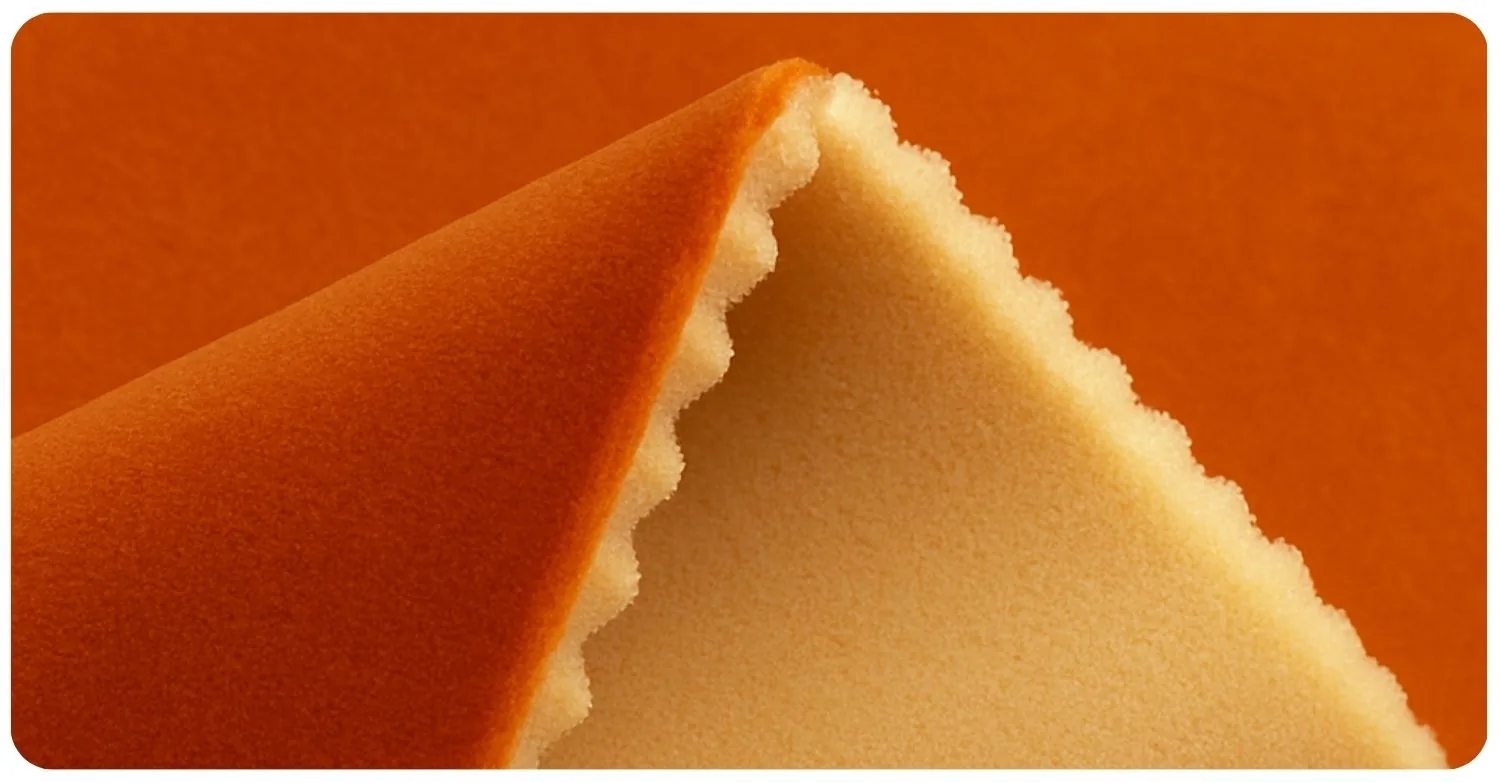
- Plain PET felt
- 9 to 24 mm, 1220 x 2440 mm standard, up to 2440 x 4270 mm, 1200 to 3600 GSM
- Printed felt
- 1800 x 900 mm, image printed into the felt rather than onto a facing
- Grooved panels
- Cut pattern in PET felt, adds visual rhythm without changing the absorber
- Test standard
- ASTM C423
- Lead time
- 4 to 7 working days standard
- Minimum order
- From 10 panels
- ASTM C423
- Made at our own plant, Palwal, Haryana, India
- One batch across the order, no blending between runs
We make this ourselves and ship it to you. No local branch, no borrowed certifications, no dealer margin. One batch across the whole order, and an honest answer when the product is wrong for the problem.
01 / Start here
What this material is and where it earns its place in Vancouver
The full absorber range rather than one product: plain PET felt, printed felt, grooved panels and fabric finishes, chosen by how the room is used and how it has to look.
Work reaching us from Vancouver is mostly mass timber and light frame housing, condominium towers, offices, schools, studios, clinics.
Timber frame with gypsum board in low rise, concrete in towers. Condominium party walls and floors generate most complaints, and impact noise through a concrete slab needs a resilient layer, not a panel.
- Wall array Panels placed at first reflection points rather than spread evenly. Fewer panels, better result.
- Ceiling first In most rooms the ceiling is the largest untreated surface and the cheapest square metre of result.
- Mixed finish Plain felt where it is out of eye line, printed or grooved where it is seen.
- What it will not do Coverage is not the target, reverberation time is. Lining every surface wastes money and can leave a room sounding dead and unpleasant.
Full specification
Thickness, density, NRC by frequency, fire class, standard sizes and build-up detail for our acoustic panel range are on the main product page. This page covers what that means for a project in Vancouver.
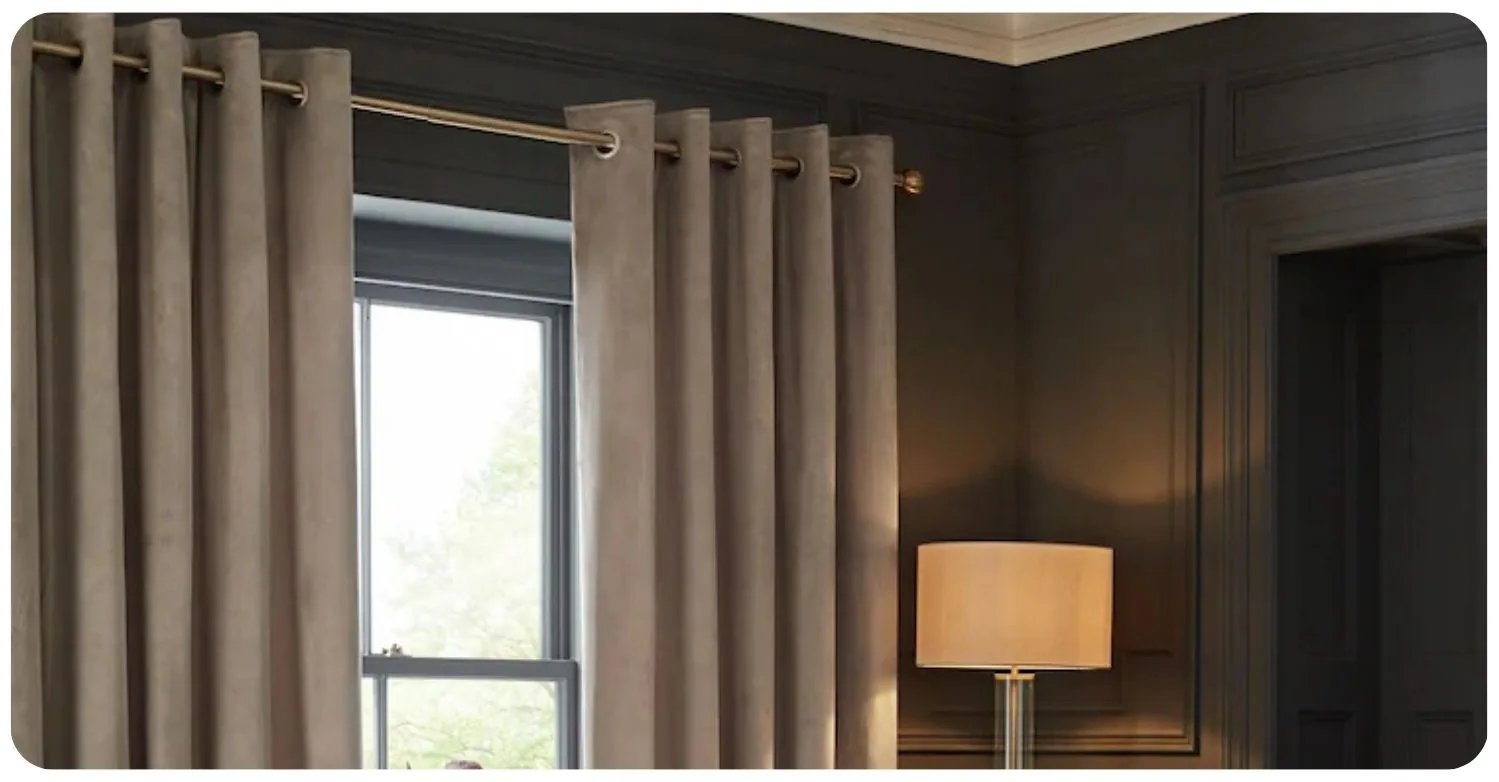
PET felt acoustic panels Printed acoustic felt panels Grooved PET panels
02 / Specification
Published specification, identical wherever we ship it
These figures are published and they do not move. The thing worth arguing about is not the number on the sheet, it is which grade and which build-up suits the room you are treating.
- EchoCore 151500 GSM. General commercial
- EchoPro 181800 GSM. Rooms with a written RT target
- EchoMax 222200 GSM. High occupancy and high level spaces
| Plain PET felt | 9 to 24 mm, 1220 x 2440 mm standard, up to 2440 x 4270 mm, 1200 to 3600 GSM |
|---|---|
| Printed felt | 1800 x 900 mm, image printed into the felt rather than onto a facing |
| Grooved panels | Cut pattern in PET felt, adds visual rhythm without changing the absorber |
| Test standard | ASTM C423 |
Consultants get the raw data, not a sales sheet. That is the whole of our side of the job, and it is set out under working with acoustic consultants.
03 / In this market
What the buildings in Vancouver do to the specification
- Timber is light
Mass timber looks solid and performs nothing like concrete at low frequency. Added mass and a decoupled layer do the work, not more absorption.
- Rain on the roof
Metal and membrane roofs over open volumes turn heavy rain into a noise source worth designing for rather than discovering.
- Damp, mild climate
PET felt does not absorb moisture, shed fibre or feed mould, which suits cold external walls and sealed rooms.
- The port is right here
Direct sea into Vancouver means no rail leg across the country, so the landed cost and the date are both easier to hold.
- School and campus buildings
School buildings run hard floors and lay-in tile with long heating seasons and sealed envelopes, so rooms stay live and mechanical noise is always present.
- The studio and content scene
Basement and garage studios are common, and a finished basement ceiling with no decoupling passes everything to the floor above.
We would rather argue about the build-up at design stage than on site. See how we support architects.
04 / Climate
The Vancouver climate decides the material list
Vancouver is cool and damp, with long heating seasons and cold external walls, and that narrows the sensible material list before acoustics is even discussed.
Cold wall build-ups and long heating seasons mean interstitial condensation is a real risk behind any lining. PET felt is unaffected by damp air and will not feed mould where a fabric-faced mineral product would.
The risk we design against here is condensation behind linings in older, poorly insulated stock.
Interior designers tend to arrive with the look already decided. We will tell you which finish gets there without losing the acoustics. See how we work with interior designers.
05 / Supply
How material reaches a Vancouver site
| Ships from | Palwal, Haryana, India |
|---|---|
| Arrives at | Vancouver, then a short road run to site |
| Dispatch | 4 to 7 working days |
| Freight | Sea into Vancouver |
| Packing | Palletised flat and film wrapped. Printed panels interleaved and corner protected. |
| Lead time | 4 to 7 working days standard. Printed and grooved take longer. |
Standard items dispatch in 4 to 7 working days. The sea leg from India is long, so plan the full door to door window into the programme. We give real dates, not optimistic ones.
Sea freight direct into Vancouver, then a short road run to site. Air freight for samples and urgent quantities.
200 panels for a trial order, in any mix of thickness, GSM and colour. Beyond a trial we would rather quote a container load.
| Trial order | 200 panels, 6,400 sq ft, mixed thickness, GSM and colour |
|---|---|
| Recommended | Full container |
A panel is 1220 x 2440 mm, which is 32 sq ft.
06 / Worth knowing
The things worth knowing before you place the order
-
The wrong product for the problem
Coverage is not the target, reverberation time is. Lining every surface wastes money and can leave a room sounding dead and unpleasant. We would rather calculate the area than sell the wall.
-
Square footage quoted before the room is understood
Anyone can price a wall. Working out how much material the room actually needs usually reduces the order, which is why not everyone does it.
-
A claim of being local to Vancouver
We manufacture in India and supply here. We do not run an office in this city and we will not pretend to, because you would find out on the first site visit.
07 / In projects
The product on finished jobs



Vancouver: questions we are actually asked
Are these acoustic panels made in Vancouver?
No, and we will not say otherwise. We manufacture at our own plant at Palwal in Haryana, India, and supply into Vancouver as the manufacturer rather than through a dealer. Made at our own plant in India and shipped straight into Vancouver, so the container lands at the city rather than railing across the country. You buy at factory prices with one consistent batch across the order.
What changes the specification on a Vancouver job?
Mass timber looks solid and performs nothing like concrete at low frequency. Added mass and a decoupled layer do the work, not more absorption. Metal and membrane roofs over open volumes turn heavy rain into a noise source worth designing for rather than discovering. Those two things move the build-up far more than the panel figure does.
Is this the right material for Vancouver conditions?
Vancouver is cool and damp, with long heating seasons and cold external walls. Cold wall build-ups and long heating seasons mean interstitial condensation is a real risk behind any lining. PET felt is unaffected by damp air and will not feed mould where a fabric-faced mineral product would. The failure we design against here is condensation behind linings in older, poorly insulated stock.
When would material land on a Vancouver site?
ships from: Palwal, Haryana, India, arrives at: Vancouver, then a short road run to site, dispatch: 4 to 7 working days. Standard items dispatch in 4 to 7 working days. The sea leg from India is long, so plan the full door to door window into the programme. We give real dates, not optimistic ones.
Where do acoustic panels fail to help?
Coverage is not the target, reverberation time is. Lining every surface wastes money and can leave a room sounding dead and unpleasant. We would rather calculate the area than sell the wall.
What quantity do we have to order, and in what packaging?
200 panels for a trial order, in any mix of thickness, GSM and colour. Beyond a trial we would rather quote a container load. Trial order, 200 panels, 6,400 sq ft, mixed thickness, GSM and colour. Recommended, Full container. A panel is 1220 x 2440 mm, which is 32 sq ft. Palletised flat and film wrapped. Printed panels interleaved and corner protected.
Next step
Tell us the room, we will tell you the build-up
Send what you have. We will give you a layer by layer build-up, a bill of quantities and a date material lands, and we will flag anything in the brief that will not achieve what you want.