
Home > Kuala Lumpur > Acoustic foam and BassBloc

Manufactured in India, supplied in Kuala Lumpur
Acoustic foam and BassBloc in Kuala Lumpur
We manufacture acoustic foam and BassBloc at our own plant at Palwal in Haryana, India, and supply them into Kuala Lumpur. Made at our own plant in India and shipped into Port Klang, about an hour from the city, so the inland leg stays short.
- BassBloc size
- 1800 x 900 mm
- BassBloc thickness
- 20 mm
- BassBloc density
- 100 kg per cubic metre
- Effective range
- 100 to 500 Hz
- BassBloc NRC
- 0.85
- Lead time
- 4 to 7 working days
- Minimum order
- From 200 sq ft
- Made at our own plant, Palwal, Haryana, India
- One batch across the order, no blending between runs
- Test reports sent on request, not just quoted
We make this ourselves and ship it to you. No local branch, no borrowed certifications, no dealer margin. One batch across the whole order, and an honest answer when the product is wrong for the problem.
01 / What it is
The product, described honestly, for a Kuala Lumpur brief
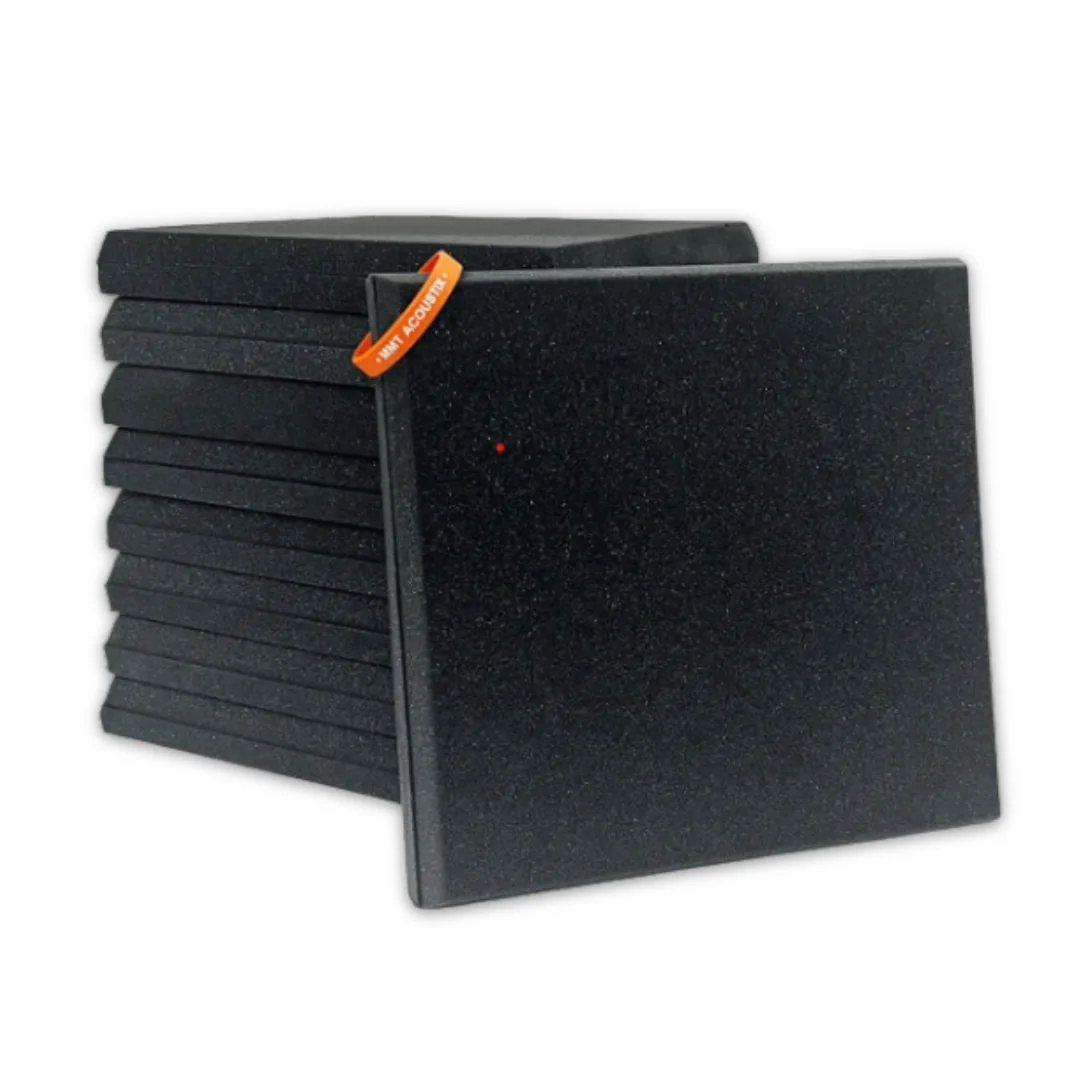
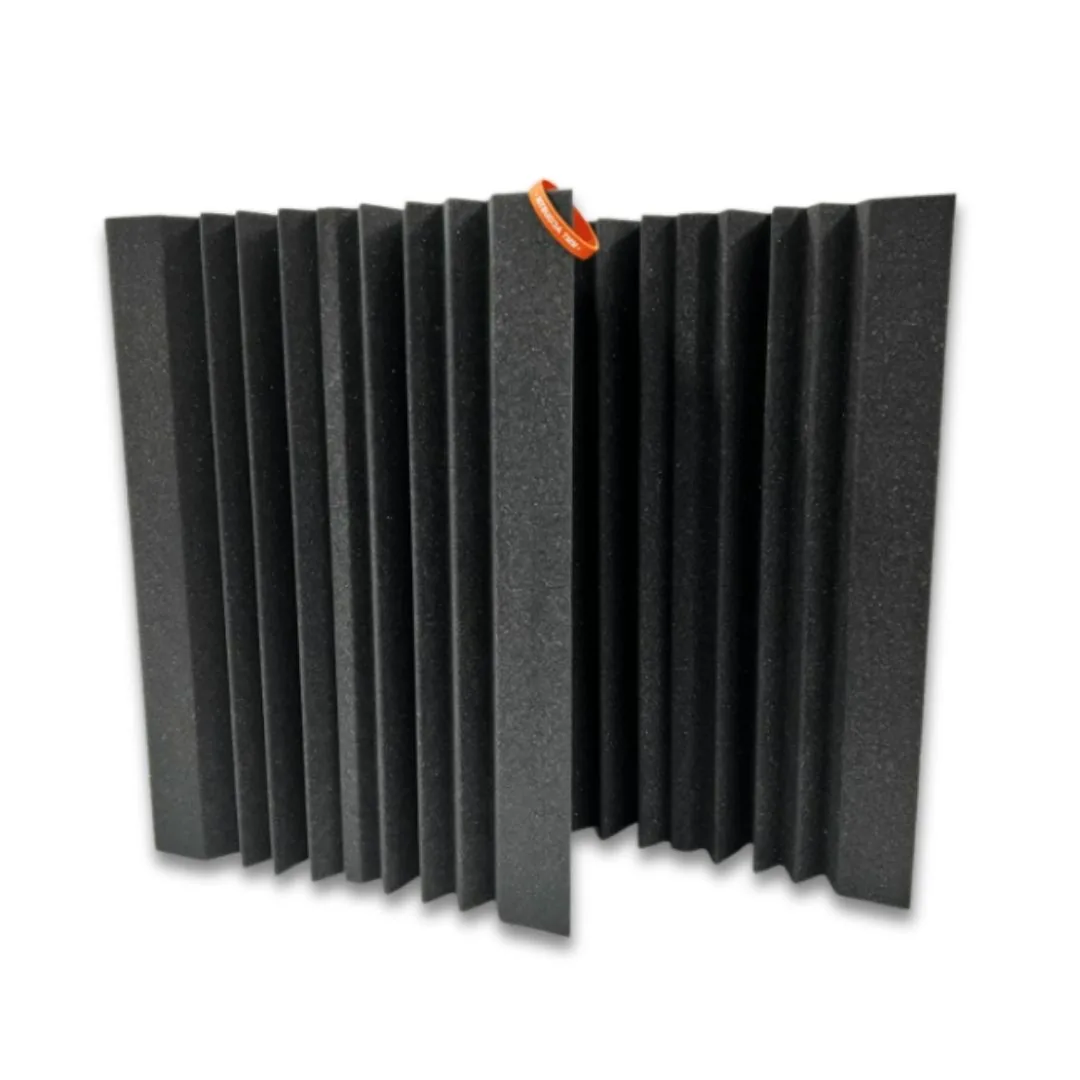
Open cell foam shapes for high frequency control, and BassBloc, a high density absorber built for the low mid range where ordinary foam does nothing.
Work reaching us from Kuala Lumpur is mostly mixed use developments, condo towers, hotels, offices, restaurants, clinics, studios.
Concrete frame condominiums and terrace houses with hard tile floors throughout, sharing walls and slabs.
- Corner loading Low frequency energy collects in corners, so absorber in the corners does more than the same area spread across a wall.
- First reflection points Mirror trick placement on side walls and ceiling, which is a handful of panels rather than a lined room.
- Behind a fabric frame Where the room has to look finished, absorber inside a frame rather than foam on show.
- What it will not do Thin foam on a wall is the most over-sold product in this industry. It controls flutter and nothing below it.
Full specification
Thickness, density, NRC by frequency, fire class, standard sizes and build-up detail for acoustic foam and bass traps are on the main product page. This page covers what that means for a project in Kuala Lumpur.
02 / The numbers
Published specification, identical wherever we ship it
Nothing below changes by location. The decisions that do change are grade, thickness and how the material is mounted, and those are covered further down.
- Foam wedge and pyramidLow density. Flutter and high frequency only
- BassBloc100 kg per cubic metre. Low mid absorption, control rooms, live rooms
| BassBloc size | 1800 x 900 mm |
|---|---|
| BassBloc thickness | 20 mm |
| BassBloc density | 100 kg per cubic metre |
| Effective range | 100 to 500 Hz |
| BassBloc NRC | 0.85 |
Consultants get the raw data, not a sales sheet. That is the whole of our side of the job, and it is set out under working with acoustic consultants.
03 / Local conditions
What the buildings in Kuala Lumpur do to the specification
- Everything in one building
Retail, plant, offices and homes stacked vertically means noise travels between uses that were never meant to share a structure.
- Concrete towers, hard interiors
The frame has mass, so the issue is usually reverberation inside and impact through slabs rather than airborne transfer.
- Humidity all year
PET felt does not hold moisture or feed mould, which matters where mineral products sag within a few seasons.
- An hour from the port
Port Klang is close, which keeps the inland cost low and the date predictable.
- The housing stock
Concrete frame condominiums and terrace houses with hard tile floors throughout, sharing walls and slabs.
- The studio and content scene
A growing content and music sector working out of shop lots and commercial floors with thin partitions.
Architects working in Kuala Lumpur usually need the build-up before the product. We will draw the section and mark what does the work. See how we support architects.
04 / Climate and durability
Why the climate in Kuala Lumpur changes the material, not the target
Kuala Lumpur is warm and humid through most of the year, with a long wet season, and that narrows the sensible material list before acoustics is even discussed.
Humidity is the deciding factor. PET felt does not absorb moisture, shed fibre or feed mould, which is why it outlasts fabric-wrapped mineral wool in this climate. Wood wool and timber need a ventilated cavity behind them.
The risk we design against here is mould, sagging fabric finishes and swelling in timber.
If the visual is fixed and the room still has to perform, that is a solvable problem and a conversation worth having early. See how we work with interior designers.
05 / Supply
How material reaches a Kuala Lumpur site
| Ships from | Palwal, Haryana, India |
|---|---|
| Arrives at | Port Klang, then a short road run into the city |
| Dispatch | 4 to 7 working days |
| Freight | Sea via Port Klang |
| Packing | Compressed and boxed for foam, palletised flat for BassBloc. |
| Lead time | 4 to 7 working days. |
Standard items dispatch in 4 to 7 working days. Grooved panels and custom colours take longer, and we say so before you order, not after.
Sea freight into Port Klang, then a short road run into Kuala Lumpur. Air freight for samples and urgent quantities.
The same minimums apply on export.
| Acoustic foam | 200 sq ft, about 19 sq m |
|---|---|
| BassBloc | 300 sq ft, about 28 sq m |
| Bass traps | 10 pieces |
A BassBloc panel is 1800 x 900 mm, which is 1.62 sq m or about 17.4 sq ft, so the BassBloc minimum is roughly 17 panels.
06 / Straight talk
What we will tell you that a reseller will not
-
The wrong product for the problem
Thin foam on a wall is the most over-sold product in this industry. It controls flutter and nothing below it. If the complaint is boom, bass from a neighbour, or a room that sounds uneven at low frequency, foam is the wrong purchase and we will say so.
-
Square footage quoted before the room is understood
Anyone can price a wall. Working out how much material the room actually needs usually reduces the order, which is why not everyone does it.
-
A claim of being local to Kuala Lumpur
We manufacture in India and supply here. We do not run an office in this city and we will not pretend to, because you would find out on the first site visit.
07 / In projects
How it looks once it is installed
Kuala Lumpur: questions we are actually asked
Is there a Kuala Lumpur factory behind this product?
No, and we will not say otherwise. We manufacture at our own plant at Palwal in Haryana, India, and supply into Kuala Lumpur as the manufacturer rather than through a dealer. Made at our own plant in India and shipped into Port Klang, about an hour from the city, so the inland leg stays short. You buy at factory prices with one consistent batch across the order.
What do you look at first on a Kuala Lumpur enquiry?
Retail, plant, offices and homes stacked vertically means noise travels between uses that were never meant to share a structure. The frame has mass, so the issue is usually reverberation inside and impact through slabs rather than airborne transfer. Those two things move the build-up far more than the panel figure does.
Will this material last in the Kuala Lumpur climate?
Kuala Lumpur is warm and humid through most of the year, with a long wet season. Humidity is the deciding factor. PET felt does not absorb moisture, shed fibre or feed mould, which is why it outlasts fabric-wrapped mineral wool in this climate. Wood wool and timber need a ventilated cavity behind them. The failure we design against here is mould, sagging fabric finishes and swelling in timber.
How quickly can material reach a site in Kuala Lumpur?
ships from: Palwal, Haryana, India, arrives at: Port Klang, then a short road run into the city, dispatch: 4 to 7 working days. Standard items dispatch in 4 to 7 working days. Grooved panels and custom colours take longer, and we say so before you order, not after.
What should you not buy acoustic foam and BassBloc for?
Thin foam on a wall is the most over-sold product in this industry. It controls flutter and nothing below it. If the complaint is boom, bass from a neighbour, or a room that sounds uneven at low frequency, foam is the wrong purchase and we will say so.
Is there a minimum order, and how does it arrive?
The same minimums apply on export. Acoustic foam, 200 sq ft, about 19 sq m. BassBloc, 300 sq ft, about 28 sq m. Bass traps, 10 pieces. A BassBloc panel is 1800 x 900 mm, which is 1.62 sq m or about 17.4 sq ft, so the BassBloc minimum is roughly 17 panels. Compressed and boxed for foam, palletised flat for BassBloc.
Next step
Send a plan and a section, get a real build-up
We quote from drawings, not from a square foot rate. Send a plan and the section through the critical wall or ceiling and you will get something you can actually build from.