

Manufactured in India, supplied in Houston
Soundproofing materials in Houston
We manufacture soundproofing materials at our own plant at Palwal in Haryana, India, and supply them into Houston. Made at our own plant in India and shipped straight into the Port of Houston.
- SoundBlanket MLV
- 2100 kg per cubic metre. 2.5 mm STC 30 at 5.25 kg per sq m, 4 mm STC 34 at 8.4, 6 mm at 12.6
- BassBloc
- 1800 x 900 x 20 mm, 100 kg per cubic metre, NRC 0.85
- Principle
- Mass, then decoupling, then cavity absorption, then sealing
- Test standards
- ASTM E90 for the barrier, ASTM C423 for the absorber
- Lead time
- 4 to 7 working days for stock items
- ASTM E90 for the barrier, ASTM C423 for the absorber
- Made at our own plant, Palwal, Haryana, India
- One batch across the order, no blending between runs
This comes from our own plant, not a trading desk. We do not have an office in your city and we will not invent one. What we can give you is factory pricing, consistent material and a technical answer before you commit.
01 / The product
What you are buying, and what it fixes in Houston
The blocking side of the range taken together: mass loaded vinyl, resilient layers, cavity absorption and the build-ups they belong in. This is the page for someone whose problem is noise getting through, not a room that sounds wrong.
Work reaching us from Houston is mostly control rooms and plant, corporate offices, medical and clinical spaces, schools, home theatres.
American homes are timber frame with gypsum board on both faces, so a party wall or a basement ceiling has almost no mass. Adding a second leaf with a limp membrane between does more than any amount of surface treatment.
- Independent leaf A second wall that does not touch the first. Nothing else comes close for the money.
- Resilient bar Where a full independent leaf will not fit. Effective, and very easy to short circuit with one wrong screw.
- Floating floor Resilient layer and deck, to break impact energy before it reaches the structure.
- What it will not do Soundproofing fails at the gaps, not the materials. A service penetration, a back to back socket, or a door undercut will undo a correctly built wall.
Full specification
Thickness, density, NRC by frequency, fire class, standard sizes and build-up detail for our soundproofing materials are on the main product page. This page covers what that means for a project in Houston.
SoundBlanket mass loaded vinyl BassBloc sound absorber Wall soundproofing systems
02 / Specification sheet
The published figures, unchanged by location
Nothing below changes by location. The decisions that do change are grade, thickness and how the material is mounted, and those are covered further down.
- Light retrofit2.5 mm membrane. Where depth is not available
- Standard partition4 mm membrane on an independent leaf. The common specification
- Heavy6 mm membrane and full decoupling. Plant, machine enclosure, low frequency
| SoundBlanket MLV | 2100 kg per cubic metre. 2.5 mm STC 30 at 5.25 kg per sq m, 4 mm STC 34 at 8.4, 6 mm at 12.6 |
|---|---|
| BassBloc | 1800 x 900 x 20 mm, 100 kg per cubic metre, NRC 0.85 |
| Principle | Mass, then decoupling, then cavity absorption, then sealing |
| Test standards | ASTM E90 for the barrier, ASTM C423 for the absorber |
On a Houston job with a consultant involved, our part is material that matches the submitted data. See working with acoustic consultants.
03 / In this market
What decides the build-up in Houston
- The port is the advantage
Container arrives in Houston itself, so there is no long domestic trucking leg. That is the practical reason a factory in India can be competitive here on landed cost.
- Light frame walls behave differently
Gypsum on studs is not masonry. It is lighter, it resonates, and it passes low frequency far more easily, so the answer is added mass and a decoupled layer rather than more absorption.
- Industrial noise is a mass problem
Compressors, generators and process plant are low frequency and structure-borne. Panels on a wall will not touch that, and we will tell you so rather than sell them to you.
- Humidity and long transit
Gulf humidity is hard on mineral products. Our PET felt does not absorb moisture, shed fibre or feed mould, and it travels a long sea leg sealed and dry.
- Plant and HVAC
Packaged rooftop units and ducted forced air are standard, so noise arrives through the duct rather than through the wall. Lining the first three metres of duct and treating the return path is usually the whole job.
- The housing stock
American homes are timber frame with gypsum board on both faces, so a party wall or a basement ceiling has almost no mass. Adding a second leaf with a limp membrane between does more than any amount of surface treatment.
If you are specifying for a Houston project, we can give you a section, a BOQ and the honest limits of each layer. See how we support architects.
04 / Durability
Why the climate in Houston changes the material, not the target
Houston is hot dry summers and mild wet winters, and that narrows the sensible material list before acoustics is even discussed.
The swing between a dry summer and a wet winter moves timber. PET felt is dimensionally stable across that swing; slat panels want a stable substrate and a ventilated fixing.
The risk we design against here is seasonal movement in timber and winter damp in unheated stock.
If the visual is fixed and the room still has to perform, that is a solvable problem and a conversation worth having early. See how we work with interior designers.
05 / Getting it there
What the route into Houston actually looks like
| Ships from | Palwal, Haryana, India |
|---|---|
| Arrives at | Port of Houston, then a short road run to site |
| Dispatch | 4 to 7 working days |
| Freight | Sea into Port of Houston |
| Packing | Rolls on core tubes, boards palletised, fixings and tapes listed on the same packing list. |
| Lead time | 4 to 7 working days for stock items. |
Standard items dispatch in 4 to 7 working days. The sea leg to the US Gulf is long, so plan the full door to door window into the programme. We give you real dates, not optimistic ones.
Sea freight direct into the Port of Houston, then a short road run to site. Air freight for samples, colour approvals and genuinely urgent quantities.
06 / Straight talk
What we will tell you that a reseller will not
-
The wrong product for the problem
Soundproofing fails at the gaps, not the materials. A service penetration, a back to back socket, or a door undercut will undo a correctly built wall. We would rather spend the conversation on the detail than on the product.
-
A number chased without a measurement
If nobody has measured the room or set a target, the specification is a guess with a decimal point in it. We will ask for the target before we quote the quantity.
-
A claim of being local to Houston
We manufacture in India and supply here. We do not run an office in this city and we will not pretend to, because you would find out on the first site visit.
07 / In projects
The material in real interiors
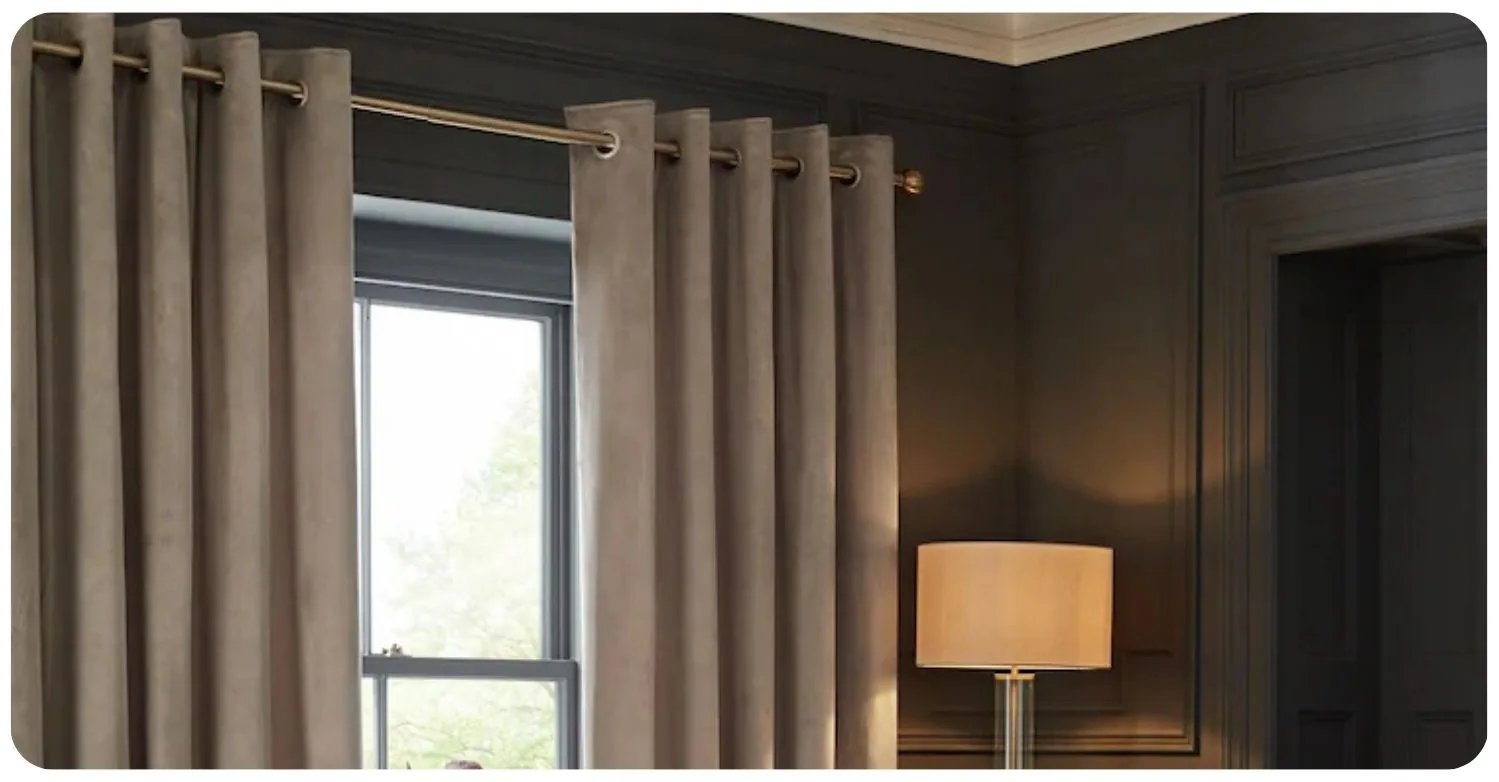
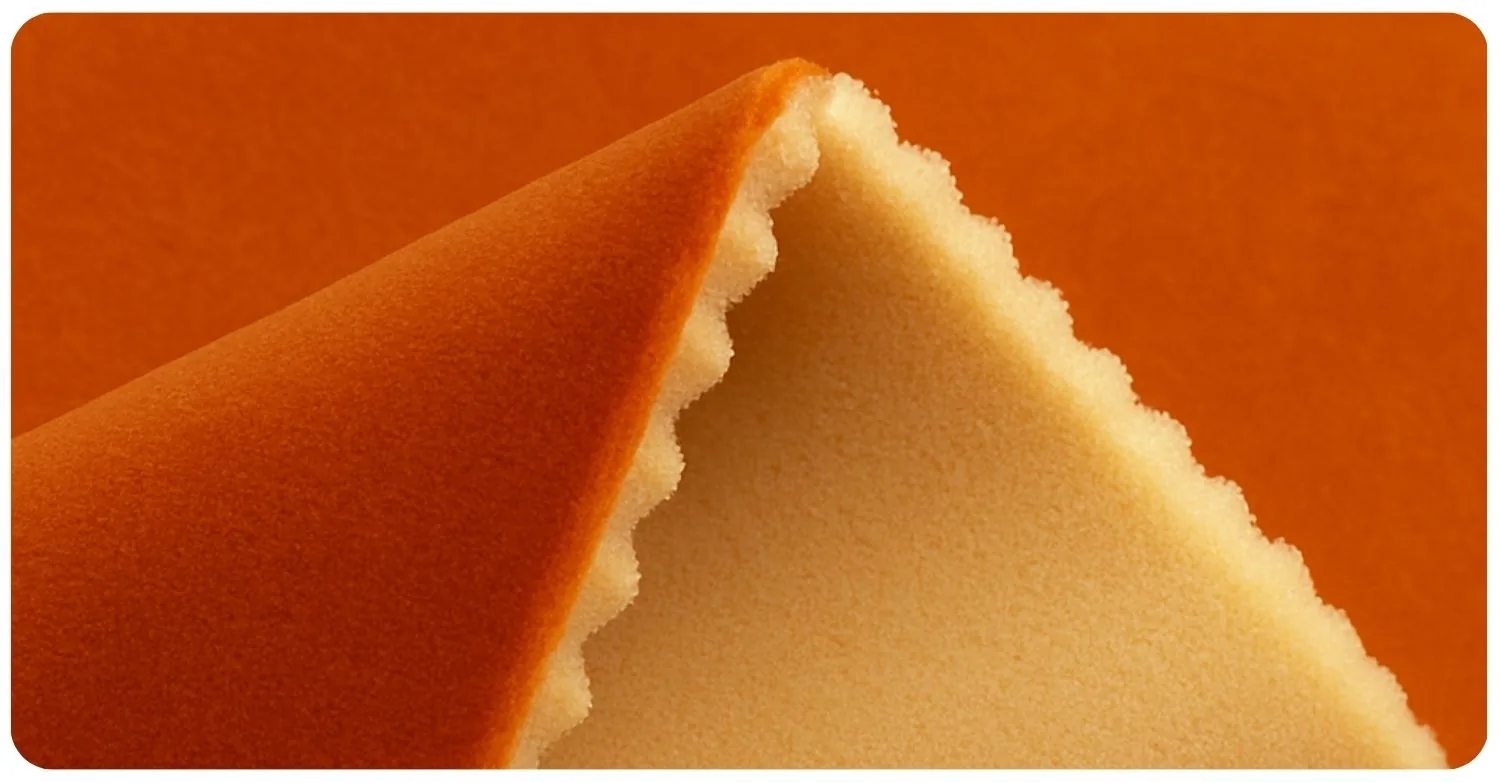

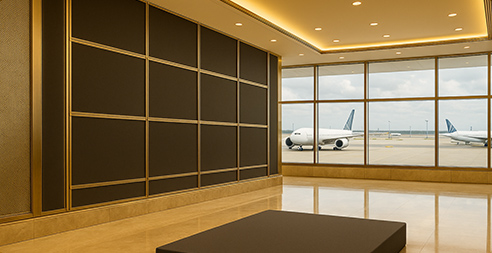


Houston: questions we are actually asked
Do you manufacture soundproofing materials in Houston?
No, and we will not say otherwise. We manufacture at our own plant at Palwal in Haryana, India, and supply into Houston as the manufacturer rather than through a dealer. Made at our own plant in India and shipped straight into the Port of Houston. You buy at factory prices with one consistent batch across the order.
What do you look at first on a Houston enquiry?
Container arrives in Houston itself, so there is no long domestic trucking leg. That is the practical reason a factory in India can be competitive here on landed cost. Gypsum on studs is not masonry. It is lighter, it resonates, and it passes low frequency far more easily, so the answer is added mass and a decoupled layer rather than more absorption. Those two things move the build-up far more than the panel figure does.
Will this material last in the Houston climate?
Houston is hot dry summers and mild wet winters. The swing between a dry summer and a wet winter moves timber. PET felt is dimensionally stable across that swing; slat panels want a stable substrate and a ventilated fixing. The failure we design against here is seasonal movement in timber and winter damp in unheated stock.
How quickly can material reach a site in Houston?
ships from: Palwal, Haryana, India, arrives at: Port of Houston, then a short road run to site, dispatch: 4 to 7 working days. Standard items dispatch in 4 to 7 working days. The sea leg to the US Gulf is long, so plan the full door to door window into the programme. We give you real dates, not optimistic ones.
When are soundproofing materials the wrong purchase?
Soundproofing fails at the gaps, not the materials. A service penetration, a back to back socket, or a door undercut will undo a correctly built wall. We would rather spend the conversation on the detail than on the product.
What quantity do we have to order, and in what packaging?
Minimum order is confirmed with the quote. Rolls on core tubes, boards palletised, fixings and tapes listed on the same packing list.
Next step
Tell us the room, we will tell you the build-up
Send what you have. We will give you a layer by layer build-up, a bill of quantities and a date material lands, and we will flag anything in the brief that will not achieve what you want.